Replacing galvanized pipes can be a big expense for homeowners. Costs can range from $2,000 to $15,000 or more. This depends on the size of the property and the materials used.
The cost is influenced by several factors. These include the size of the home, the replacement material, and labor costs. Homeowners, and those with older homes in particular, need to understand these to budget well.
Galvanized pipe replacement is key to keeping a home’s plumbing system in good shape. The total cost depends on many elements. It’s important to look into these in detail.
Key Takeaways
- The cost to replace galvanized pipes varies widely based on property size and materials.
- Labor costs significantly impact the total expense of galvanized pipe replacement.
- Homeowners should consider the material chosen for replacement when budgeting.
- Older homes are more likely to require galvanized pipe replacement.
- Understanding the factors that influence cost can help homeowners prepare financially.
Understanding Galvanized Pipes and Their Lifespan
Knowing about galvanized pipes is key for homeowners. These pipes are used in plumbing because they resist corrosion at first. This is thanks to a zinc coating.
What Are Galvanized Pipes?
Galvanized pipes are made of steel with a zinc layer to stop rust. The zinc acts as a shield between the steel and the environment. But, the zinc can wear off over time, leaving the steel open to rust.
The Typical Lifespan of Galvanized Plumbing
The life of galvanized pipes can vary a lot. They can last from 20 to 70 years or more. This depends on water quality, upkeep, and the environment. Repipe Specialists and Parker & Sons say water quality is very important for their lifespan.
Why Replacement Eventually Becomes Necessary
As galvanized pipes get older, the zinc coating can fade. This leads to rust and corrosion. These problems can cause leaks and lower water pressure. So, it’s time to replace them.
Getting a galvanized pipe replacement estimate is important. It helps you know the cost. The size of your home, how easy it is to get to the pipes, and the material you choose all affect the price.
Signs Your Galvanized Pipes Need Replacement
Knowing when to replace galvanized pipes is key to a safe and efficient plumbing system. These pipes can wear out over time, causing problems with water quality and plumbing integrity.
Visible Corrosion and Rust
Visible corrosion and rust are clear signs your galvanized pipes need to be replaced. This damage can make the pipes weak, leading to leaks and other issues.
Reduced Water Pressure
Lower water pressure is another sign of failing galvanized pipes. As corrosion builds up, it can block water flow, causing pressure to drop.
Discolored Water
Discolored water, often looking rusty or brown, means your pipes are corroding. This not only looks bad but can also pose health risks.
Frequent Leaks and Water Damage
Frequent leaks and water damage are big signs your galvanized pipes need to be replaced. These leaks can cause expensive repairs and harm your home’s structure.
| Signs | Description |
| Visible Corrosion and Rust | Weakens pipes, leading to leaks |
| Reduced Water Pressure | Corrosion restricts water flow |
| Discolored Water | Rusty or brown water due to corrosion |
| Frequent Leaks and Water Damage | Leads to costly repairs and structural damage |
How Much Is It to Replace Galvanized Pipes: National Average Costs
Knowing the average cost to replace galvanized pipes helps homeowners budget. The price varies based on home size, location, and how complex the job is.
Cost Range for Single-Family Homes
The cost to replace galvanized pipes in single-family homes can range from $2,000 to $15,000 or more. CostHelper says this wide range comes from different factors like home size, fixture number, and local labor costs.
Here’s a breakdown of the typical costs associated with galvanized pipe replacement:
| Home Size | Average Cost |
| Small (Under 1,500 sq ft) | $2,000 – $5,000 |
| Medium (1,500-2,500 sq ft) | $5,000 – $10,000 |
| Large (Over 2,500 sq ft) | $10,000 – $15,000+ |
Cost Per Linear Foot
Another way to estimate the cost is by looking at the price per linear foot. On average, it’s $50 to $200 per foot. This depends on the material and job complexity.
“The cost of replacing galvanized pipes can be substantial, but it’s a necessary investment for maintaining the integrity of your home’s plumbing system.” – Plumbing Expert
Regional Price Variations
Prices for replacing galvanized pipes vary by region. Labor costs, local rules, and material availability affect prices. Homeowners should get local quotes for a more accurate estimate.
By understanding these factors and getting quotes from contractors, homeowners can prepare for the cost of replacing their pipes.
Factors That Affect Galvanized Pipe Replacement Costs
Several key factors influence the cost of replacing galvanized pipes in a home. Knowing these can help homeowners plan for the financial side of this big plumbing job.
Home Size and Layout
The size and layout of a home greatly affect the cost of replacing galvanized pipes. Bigger homes usually have more plumbing, which can raise the price.
Pipe Accessibility
How easy it is to get to the pipes is also important. Pipes in basements or crawl spaces are cheaper to replace than those hidden behind walls or under floors.
Replacement Material Choice
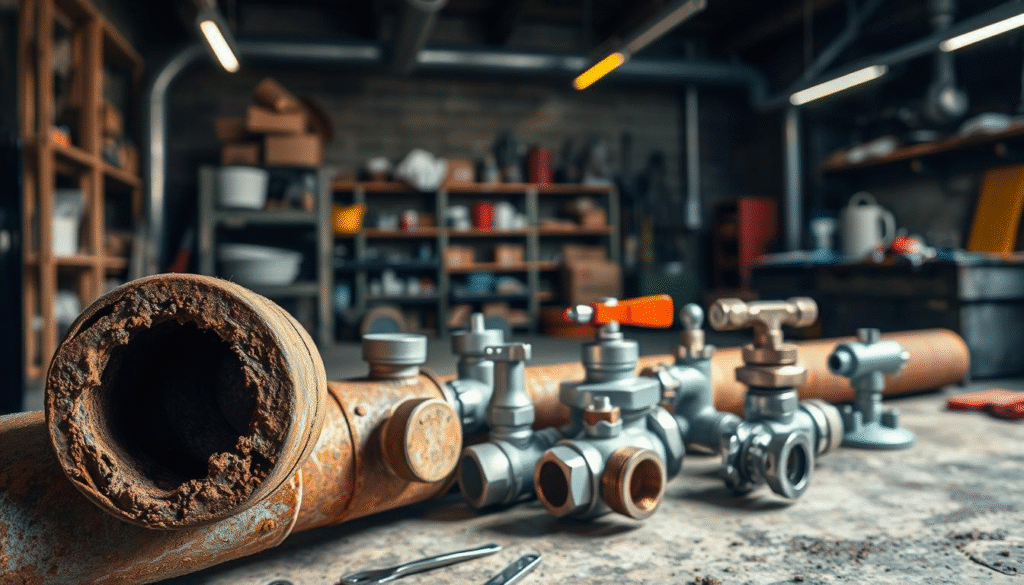
The type of material for the new pipes also matters a lot. Different materials cost differently and last for varying lengths of time, affecting the total cost.
Extent of Replacement Needed
How much of the plumbing needs to be replaced is another big factor. Some homes might need all pipes replaced, while others might only need some.
| Factor | Impact on Cost |
| Home Size | Larger homes cost more to replace |
| Pipe Accessibility | Easier access reduces labor costs |
| Replacement Material | Different materials vary in cost |
| Extent of Replacement | Partial replacements are less costly |
Understanding these factors helps homeowners estimate the cost of replacing their galvanized pipes. This way, they can make smart choices about their plumbing.
Breakdown of Replacement Costs by Home Size
The cost to replace galvanized pipes changes with your home’s size. Smaller homes cost less, while bigger ones cost more.
Small Homes (Under 1,500 sq ft)
Small homes usually cost between $4,000 to $8,000 to replace pipes. This is because they need less piping.
Medium Homes (1,500-2,500 sq ft)
Medium homes cost between $6,000 to $12,000 for pipe replacement. This is due to longer pipes and more complex plumbing.
Large Homes (Over 2,500 sq ft)
Large homes can cost $10,000 or more to replace pipes. This is because of the extensive piping and complex plumbing.
| Home Size (sq ft) | Typical Cost Range |
| Under 1,500 | $4,000 – $8,000 |
| 1,500 – 2,500 | $6,000 – $12,000 |
| Over 2,500 | $10,000+ |
Material Options for Replacing Galvanized Pipes
Homeowners have many choices when replacing galvanized pipes. Each option has its own pros and cons. The right choice depends on your budget, how long you want it to last, and how easy it is to install.
Copper Pipes: Costs and Benefits
Copper pipes are a top pick for replacing galvanized ones. They last a long time and don’t rust easily. They cost more at first, but they save money in the long run. Copper pipes handle high water pressure and extreme temperatures well.
PEX Pipes: Costs and Benefits
PEX (cross-linked polyethylene) pipes are a good choice too. They’re flexible and easy to install, which can save on labor costs. PEX pipes also resist freezing and corrosion. But, they might not handle high water pressure as well as copper pipes.
CPVC Pipes: Costs and Benefits
CPVC (chlorinated polyvinyl chloride) pipes strike a balance between cost and quality. They’re cheaper than copper and more resistant to corrosion than galvanized pipes. CPVC pipes work for both hot and cold water. But, they can get brittle with age and aren’t good for very high temperatures.
Cost Comparison of Different Materials
When looking at the cost of replacing galvanized pipes, material prices matter a lot. Copper pipes are the priciest, followed by PEX and then CPVC. But, the total cost includes labor too. A good estimate should include both material and labor costs for a clear picture of the total cost.
Labor Costs for Galvanized Pipe Replacement
Labor costs are key when replacing galvanized pipes in your home. It’s important for homeowners to know these costs to budget well.
Plumber Hourly Rates
Plumbers’ hourly rates vary a lot. They depend on where you are, the plumber’s experience, and how hard the job is. Usually, plumbers charge between $75 to $150 an hour.
Project Duration Estimates
The time it takes to replace pipes also matters. It depends on your home’s size, how much needs to be replaced, and where the pipes are. For a typical single-family home, it can take 4 to 8 hours.
Additional Contractor Fees
Contractors might charge extra for things like getting permits, inspections, and getting rid of waste. These extra costs can increase the total labor cost.
| Service | Average Cost |
| Plumber Hourly Rate | $75 – $150 |
| Project Duration | 4 – 8 hours |
| Additional Fees | $100 – $500 |
To get a clear idea of labor costs, talk to several licensed plumbers. Ask for detailed quotes. This way, homeowners can understand the full labor cost for replacing their galvanized pipes.
How to Plan Your Galvanized Pipe Replacement Project
Planning your galvanized pipe replacement project well is key to avoid disruptions and save money. Homeowners need to follow a few important steps to do this.
Getting Multiple Quotes
Getting quotes from different contractors is a must. This lets you compare prices and services. Make sure each quote clearly shows the costs and what work will be done. This helps you choose the right contractor.
Questions to Ask Your Contractor
When talking to contractors, ask about their experience with galvanized pipes. Find out how they plan to do the job and what materials they suggest. Also, ask about their licenses, insurance, and warranties.
Creating a Replacement Timeline
Having a timeline for the replacement is important. It ensures the job is done on time. Work with your contractor to make a timeline that fits the project’s needs and any possible delays.
Preparing Your Home for the Work
Before starting, get your home ready. Clear the way to the pipes, protect your valuables, and plan for any moves. This makes the process smoother and less disruptive.
| Preparation Task | Description | Importance Level |
| Clear access to pipes | Ensure that contractors have easy access to the galvanized pipes | High |
| Protect valuables | Cover or remove items that could be damaged during the work | Medium |
| Arrange for relocations | Plan for alternative accommodations if necessary | High |
Ways to Save Money on Galvanized Pipe Replacement
Replacing galvanized pipes can be expensive. But, with careful planning and smart choices, you can save money. Here are some ways to cut down on costs.
Partial vs. Complete Replacement Options
Homeowners must decide between partial or complete pipe replacement. Partial replacement is cheaper if only a small part is damaged. But, if the pipes are badly corroded, complete replacement might be better. It saves money in the long run by avoiding future repairs and water damage.
Timing Your Project Strategically
The time you choose for the project affects the cost. Doing it in the off-peak season (late fall or early spring) can save on labor costs. Plumbers are less busy then, unlike in the summer.
Bundling with Other Plumbing Upgrades
Combining pipe replacement with other plumbing work can also save money. Plumbers often give discounts for bigger projects. This makes it a smart move to tackle several tasks at once.
Tax Incentives and Rebates
Don’t forget to look for tax incentives and rebates for plumbing upgrades. Some governments offer rebates for water-saving improvements or plumbing system upgrades.
| Cost-Saving Strategy | Description | Potential Savings |
| Partial Replacement | Replacing only damaged sections | Up to 30% |
| Off-Peak Scheduling | Scheduling during less busy seasons | 10-20% |
| Bundling Services | Combining multiple plumbing tasks | 15-25% |
| Tax Incentives/Rebates | Exploring government incentives | Varies |
Additional Expenses to Consider
When planning to replace galvanized pipes, it’s important to think about more than just the cost of the pipes. Homeowners need to consider several factors that can affect the total cost of the project.
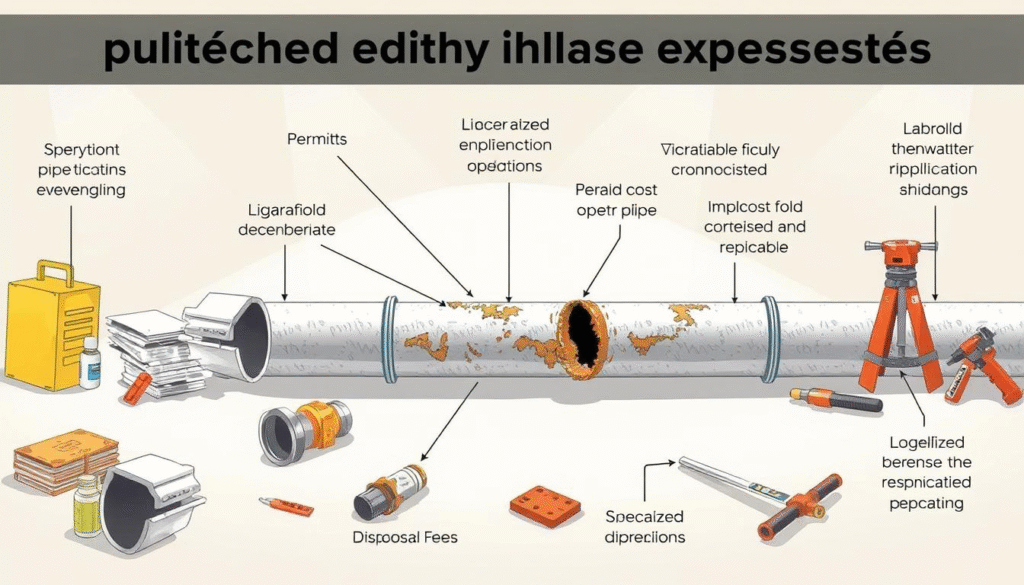
Permits and Inspection Fees
One of the first things to consider is the cost of permits and inspection fees. These costs can vary a lot, depending on local rules and how complex the project is. It’s key to talk to local authorities to find out what you’ll need and how much it will cost.
Wall and Floor Repairs
Replacing galvanized pipes often means going through walls and under floors. This can cause damage that needs fixing. You should include the cost of fixing or replacing damaged walls, floors, or other materials in your budget.
Water Damage Remediation
Leaks or bursts during the replacement can cause water damage. The cost of fixing this, like drying out areas and repairing or replacing damaged materials, can add up fast.
Temporary Accommodation Costs
Depending on the size of the replacement and the areas affected, you might need to pay for temporary housing. This is more likely if the work requires access to a lot of the plumbing system, making parts of your home unusable.
To handle these extra costs well, it’s wise to:
- Get detailed quotes from contractors that include possible extra costs.
- Plan for unexpected expenses by budgeting extra.
- Look into local rules and costs for permits and inspections.
By understanding and preparing for these extra costs, homeowners can manage the process of replacing galvanized pipes better. This helps avoid unexpected financial surprises.
Financing Options for Pipe Replacement Projects
Replacing galvanized pipes can be expensive. But, there are ways to make it easier on your wallet. Homeowners have many options to fund their pipe replacement projects.
Home Improvement Loans
Home improvement loans are a good choice for pipe replacement. They offer competitive rates and flexible payment plans. This makes it easier to manage the cost.
Insurance Coverage Possibilities
Insurance might help with the cost, if the pipes failed due to something outside your control. Check your policy to see what’s covered.
Payment Plans and Contractor Financing
Contractors often have financing options or payment plans. These help spread out the cost, making it easier to budget.
| Financing Option | Key Benefits | Typical Costs |
| Home Improvement Loans | Competitive interest rates, flexible repayment terms | Interest rates vary by lender |
| Insurance Coverage | Potential for full or partial coverage | Premiums and deductibles apply |
| Payment Plans | Spreads cost over time, manageable monthly payments | Interest or fees may apply |
| Contractor Financing | Convenient, often flexible terms | Interest rates and fees vary by contractor |
Exploring these financing options can help homeowners find a solution that fits their budget. This makes it easier to replace galvanized pipes and keep your plumbing system working well. For more detailed quotes and to discuss your specific needs, consider consulting a professional.
Conclusion
Knowing the costs of galvanized pipe replacement is key for homeowners. This project involves many factors like cost, material, labor, and extra expenses.
The cost of replacing galvanized pipes changes a lot. It depends on your home’s size, how easy it is to get to the pipes, and what you choose to replace them with. It’s smart to get several quotes and figure out how much you need to replace.
Understanding these points helps homeowners have a successful project. Remember to think about extra costs like permits and fixing water damage.
Even though it might seem hard, with good planning and budgeting, galvanized pipe replacement can be done. Getting help from professionals is a good idea to handle the tricky parts.
Sources
For more information on galvanized pipe replacement, you can refer to the following reputable sources:
Repipe Specialists offers expert guidance on repipe projects, including costs and material options. Visit their website at www.repipespecialists.com for detailed information.
CostHelper provides a breakdown of plumbing costs, including galvanized pipe replacement. Check their website at www.costhelper.com for cost estimates and other plumbing-related expenses.
Parker & Sons is a trusted plumbing company that offers repipe services. They provide valuable resources on their website at www.parkerandsons.com.
These sources can help homeowners understand the process and costs of replacing galvanized pipes. This knowledge enables them to make informed decisions for their plumbing projects.
FAQ
What is the average cost to replace galvanized pipes?
Replacing galvanized pipes can cost between $4,000 and $15,000. This depends on your home’s size, location, and other factors.
How do I know if my galvanized pipes need to be replaced?
Look for signs like corrosion, rust, low water pressure, discolored water, and frequent leaks. These indicate it’s time for a replacement.
What are the most common materials used to replace galvanized pipes?
You can choose from copper, PEX, and CPVC pipes. Each has its own benefits and drawbacks.
How does the size of my home affect the cost of replacing galvanized pipes?
The cost varies with your home’s size. Smaller homes are cheaper, while larger ones cost more.
What is the cost per linear foot for galvanized pipe replacement?
Expect to pay $50 to $200 per linear foot. This depends on the material and labor costs.
Are there any ways to save money on galvanized pipe replacement?
Yes, you can save by replacing only what’s needed, choosing off-peak seasons, and bundling services. Also, look for tax incentives and rebates.
What additional expenses should I consider when replacing galvanized pipes?
Think about permits, inspections, wall and floor repairs, water damage remediation, and temporary accommodation costs.
What financing options are available for galvanized pipe replacement projects?
You can get home improvement loans, check insurance, set up payment plans, or look into contractor financing to make it more affordable.
How can I estimate the total cost of replacing galvanized pipes in my home?
Consider your home’s size, the replacement material, labor costs, and any extra expenses. This will help you estimate the total cost.
What is the galvanized pipe replacement pricing for a typical single-family home?
For a typical single-family home, costs range from $4,000 to $15,000. This depends on location and replacement extent.
How do regional price variations affect the cost of galvanized pipe replacement?
Prices vary by region. Urban areas often have higher labor costs than rural areas.
What are the benefits of replacing galvanized pipes with copper pipes?
Copper pipes are durable and resistant to corrosion. They can last decades but are more expensive than other materials.
Can I get a quote for galvanized pipe replacement from a contractor?
Yes, getting quotes from licensed contractors is a good idea. This way, you can compare prices and services.